
The Diwali, also known as "the Festival of Light"is the most significant celebration of the year in India. It lasts 5 days, is usually between mid-October and mid-November and normally falls 18 days after the end of the year. Dusshera. It is a celebration that resonates in every corner of India, uniting people in a spirit of joy, prosperity and hope for the new year.
It is the entrance to the new year in the Hindu calendar and is celebrated with great enthusiasm in North India.
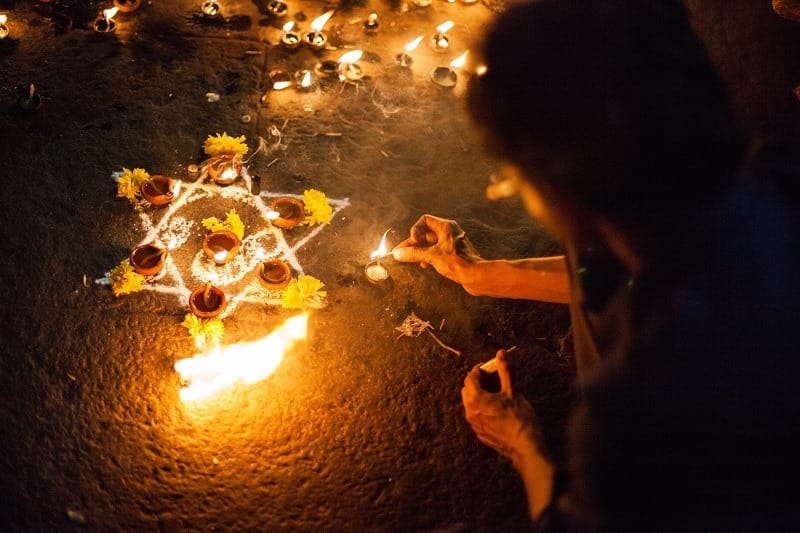
This festival begins with the day of Dhanteras and on this day it is a tradition to make the so-called Dhanteras shopping. During this celebration people wear new clothes, so on this day people buy new clothes, candy, fireworks, lights and gifts for their loved ones. In addition, general cleaning is done in the houses and changes are made in the house and it is painted for the coming year. During Diwali, houses are decorated with colorful Rangolis and typical festive motifs are hung.
Meaning of Diwali
Diwali has multiple legends and meanings, depending on the region of India. The best known is the story of Rama and Sita,. According to the Ramayana epic, after fourteen years in exile and a victorious battle against the demon king Ravana, Rama returned home to Ayodhya with his wife Sita and brother Lakshmana. To celebrate his return, the people of Ayodhya lit thousands of oil lamps, known as diyas, on all the windows and roofs to guide them home. Thus was born the tradition of The country is illuminated with lights on these dates and since then, North India shines as its inhabitants celebrate their most desired festival.
Diwali is also associated with LakshmiLakshmi, the goddess of prosperity and good fortune. It is believed that on the night of Diwali, Lakshmi visits the homes of those who worship her, bringing with her blessings of wealth and abundance for the coming year. At dusk, in all homes, doors and windows are opened and candles are lit to show her the way inside the homes so that she may bless them and bring good luck and wealth in the coming year. In addition, the god Ganesha is also worshipped.
In western India, Diwali marks the beginning of a new year for the trading and business communities, adding a tinge of renewal and hope.
With the entry of the new year, it is considered that it is good time to improve as a person, to be ready for new beginnings and to forgive enemies. On this day, literally and spiritually, light wins the battle against darkness.
How Diwali is celebrated
Diwali is not just one day; it is a series of celebrations lasting five days, each with its own significance and rituals. Here's how these days are usually celebrated in different regions of India:
- Dhanteras: The first day of Diwali, where people buy metal objects or jewelry, as it is believed to bring good luck and prosperity. Homes are cleaned and decorated to welcome the goddess Lakshmi.
- Choti Diwali: On the second day, families decorate their houses with diyas, colored lights and rangolis (colored drawings on the ground) as a symbol of welcome and prosperity.
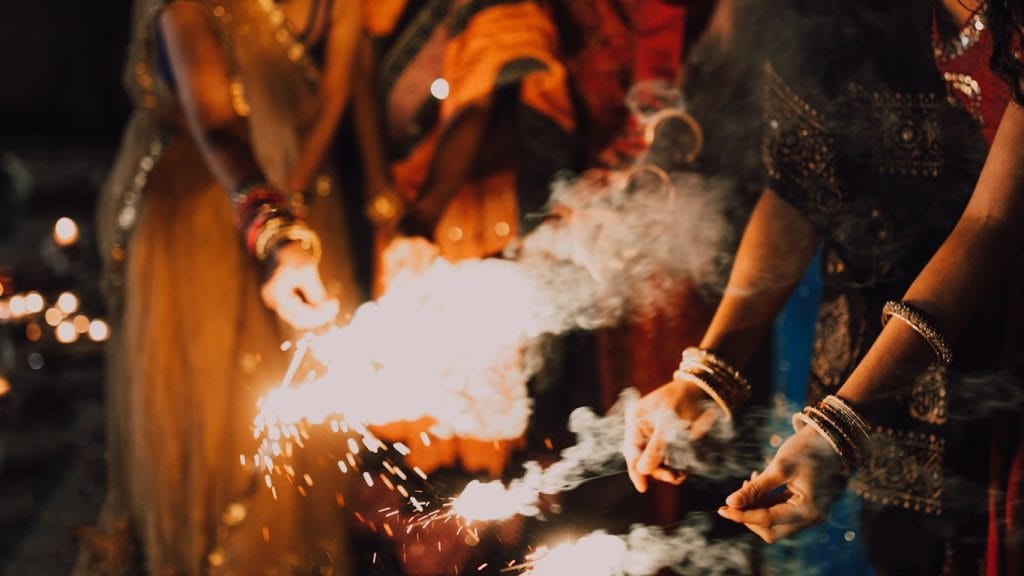
- Diwali: The third day is the most important day. Families perform Lakshmi Puja, a ceremony to honor Goddess Lakshmi and ask for blessings for the household. After the puja, families share sweets, light fireworks and enjoy a festive dinner.
- Govardhan Puja: In some regions, the fourth day of Diwali is celebrated as the day of Govardhan Puja, which commemorates the raising of Mount Govardhan by Krishna to protect his people from a great storm.
- Bhai Dooj: The last day of Diwali is Bhai Dooj, a celebration of the bond between brothers and sisters. Sisters pray for the happiness of their brothers, who offer them gifts as a token of affection.
Where to celebrate Diwali in India
1. Varanasi (Varanasi):
If you want to live one of the most visually impressive experiences, Varanasi is the ideal place. During Diwali, the steps and banks of the Ganges River are illuminated with thousands of floating diyas, and the air is filled with prayers and chanting as the ceremony of Ganga Aarti. The atmosphere is mystical and deep, perfect for a spiritual experience.
Jaipur and Udaipur (Rajasthan):
In Rajasthan, the palaces and ancient buildings of Jaipur and Udaipur are spectacularly illuminated. The streets and markets vibrate with colors and decorations, and shopkeepers hold competitions to see which store is the best decorated. In Udaipur, the views of Lake Pichola from the palaces reflect an indescribable beauty.
3. Ayodhya (Uttar Pradesh):
Ayodhya, the city of Rama, celebrates Diwali with unique devotion. Celebrations include the lighting of more than a million diyas on the banks of the Sarayu River, recreating Rama's return to the city. The city enters the Guinness World Record for the largest number of lamps lit in a single night, an incredibly moving spectacle.
4. Delhi:
The capital is decked out with lights on every corner, and the celebration is especially vibrant in markets like Dilli Haat and Chandni Chowk. In addition, many local families open their homes to friends and neighbors to share sweets and celebrate together, making it a great time to celebrate. Delhi a cozy and energetic place to celebrate Diwali.
Diwali and its gastronomic delights
Food is essential in Diwali, and gastronomy becomes part of the celebration (something very common in India). The traditional sweets such as ladoos, jalebi, kaju katli, barfi and gulab jamun are especially popular, and each region has its own specialties. In addition, during Diwali, households also prepare savory dishes such as samosas, kachoris, y chaklis to complement the flavor offerings.

Tips for travelers who want to experience Diwali
If you are planning to travel to India during Diwali, here are some tips to make the most of the experience:
- Attend a puja ceremony: Participating in a ritual at a local temple or in the home of an Indian family will allow you to experience the spirituality of Diwali from the inside.
- Buy and light diyas: Buying diyas at a local market and lighting them in a temple or on the banks of a river will connect you with the essence of Diwali. In addition, many cities allow visitors to participate in public celebrations.
- Respect fireworks tradition: In many cities, fireworks are a tradition, but in recent years there are initiatives to promote a greener Diwali. You can join initiatives to light diyas instead of fireworks and enjoy a visual and environmentally friendly experience.
Reflection: The Inner Light of Diwali
Diwali is more than just lights and fireworks; it is a reminder that we can always choose light over darkness, both in our lives and in our relationships. Each lit diya symbolizes hope, renewal and the purpose to improve, not only externally, but also internally. The essence of Diwali is reflected in the love and kindness we share with those around us, and this transformative energy is what makes it such a meaningful festival.
Now I am going to tell you about another celebration that is often confused with Diwali...Deep Deepavali.
What is Deepavali?
The Deep Deepavali (also known as Dev Diwali) is a magical and unique event in India! Occurs approximately fifteen days after Diwali, on the night of the full moon in November, and is especially known in Varanasi (Varanasi) as a special celebration to honor the gods. During this festival, the Ganges River and the ghats (steps) leading to the water are illuminated with countless diyas and candles, creating an absolutely hypnotic and spiritual atmosphere.
Unlike Diwali, which is celebrated by families in their homes, Deep Deepavali is more focused on religious rituals and is considered a kind of "Diwali of the gods". It is believed that on this night the gods descend to earth to bathe in the sacred river, the Ganges, so the ceremonies and offerings are especially significant. The ceremony Ganga Aarti in Varanasi takes on a special dimension, with the river and ghats full of lights and pilgrims coming to pay their respects.
How to celebrate Deepavali or Dev Diwali
- The Ganga Aarti CeremonyAttending the Ganga Aarti on this night is an unforgettable experience. During the ceremony, Hindu pandits dressed in saffron and white offer prayers to mother Ganga, with fire lamps and chanting, while the river is filled with floating diyas that create a unique visual spectacle.
- Diya offerings in the Ganges: Devotees and visitors buy diyas to be floated in the river as offerings. This tradition symbolizes wishes for prosperity and the elimination of darkness in life.
- Traditional Dances and Music in the Ghats: In some ghats, especially in Assi Ghat and Dashashwamedh Ghat. In addition, classical dance performances and devotional music are organized, giving the event a cultural and festive atmosphere. In addition, many temples perform special rituals and ceremonies.
- The city receives thousands of pilgrims and tourists who come to enjoy this unique experience. The streets of Varanasi are filled with markets and impromptu festivals, and the atmosphere is one of deep spirituality and celebration.
Deep Deepavali is an excellent way to extend the Diwali experience in a context full of ancient traditions. For any traveler interested in learning about Indian festivities beyond the typical, this event in Varanasi is a perfect window into the mysticism and devotion of spiritual India.
This holiday coincides with the Kartik Purnima. This is a sacred date in the Hindu calendar, and is especially significant in Varanasi, where thousands of people gather to pay homage to the gods and Mother Ganga in a celebration of unique light and devotion.
The Dev Diwali is celebrated on the night of the full moon of the Hindu month of Kartika, approximately fifteen days after Diwali, generally between mid-November.
I hope the festival of Diwali brings you hope, renewal and the purpose to improve. Best regards and I trust that Diwali will light your path.


Leave a Reply